
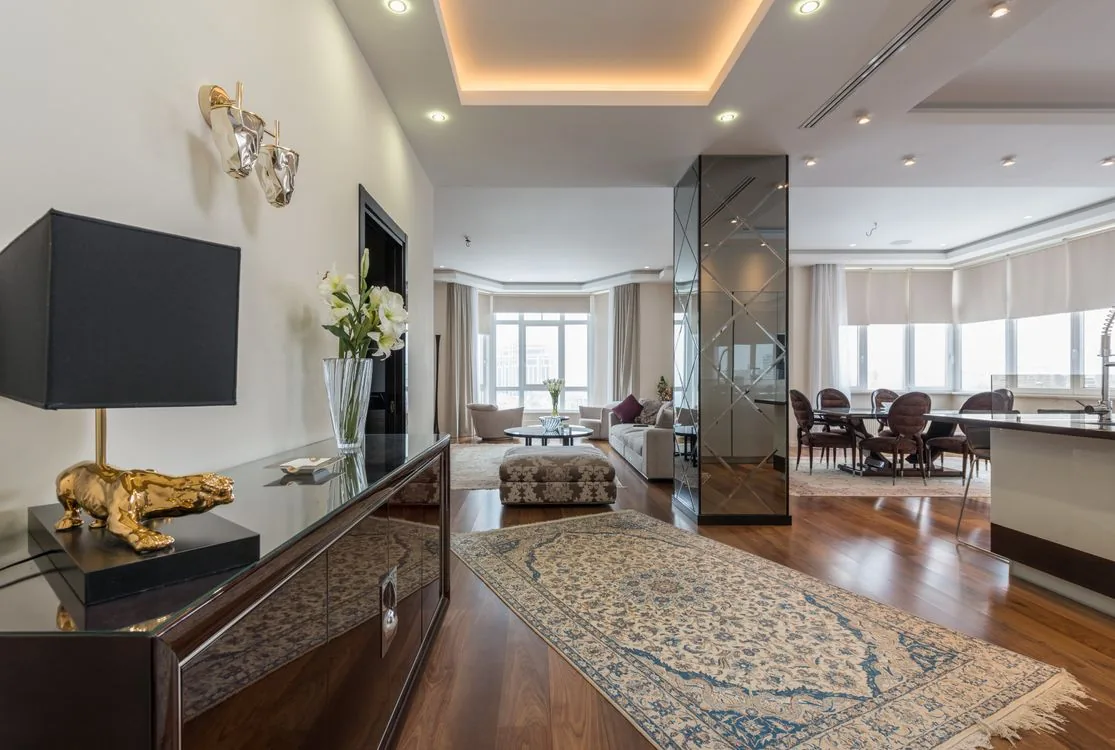
Compare the same rooms and units
Start by checking whether both quotations cover the same kitchen, wardrobes, TV units, dining cabinets and other items. Look at quantities and dimensions. If one quote includes a tall cabinet or extra drawers and another does not, the totals are not directly comparable.
Read the material specification
“Plywood cabinet” or “premium finish” is not a complete specification. Ask for the selected material, grade, thickness and finish code where applicable. Check whether the carcass, shutters and other components use the same construction or different specifications. Keep a record of the samples you approve.
Check hardware and accessories
Hinges, handles, drawer runners, lift systems and internal organisers can vary. Compare the stated brand, model or agreed performance specification. Ask which accessories are included and which are optional, particularly if you selected the design from an inspiration image.
Separate included and excluded work
Check delivery, installation, taxes and any removal of existing furniture. Clarify civil work, electrical work, plumbing, countertops, appliances and other trades. An exclusion is not automatically a problem; an unclear responsibility can become one. Agree who will do each part before the order proceeds.
Review the project terms
Look at payment milestones, the approval process, site-readiness requirements, expected stages and applicable warranties. Ask how variations will be documented. The current quotation revision should match the design and agreement you are approving. Retain the earlier versions for your records.
Ask for a clear comparison
If an item is unclear, request a written explanation. Comparing like-for-like specifications makes it easier to decide where to spend and where to simplify. At Lakzora, bring your room list, priorities and questions to the discussion so the proposed scope can be understood before production.